Unlock the Tricks of Fish Filleting With a High-Quality Fillet Blade: Tips and Techniques
Fish filleting is an art that needs the right devices and techniques. A top quality fillet knife is essential for achieving tidy cuts and accuracy. Recognizing the composition of the blade and grasping important strategies can boost one's skills. Nevertheless, lots of forget the relevance of office prep work and typical mistakes that can cause lost fish. This expedition will uncover the nuances of reliable filleting and how to avoid challenges that impede success.
Understanding the Makeup of a Fillet Knife
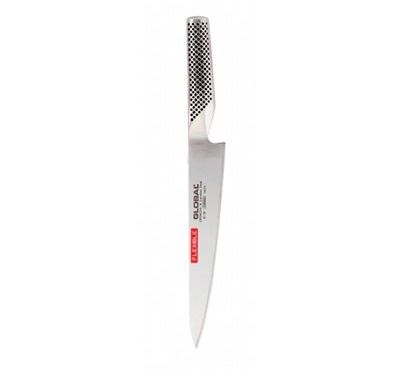
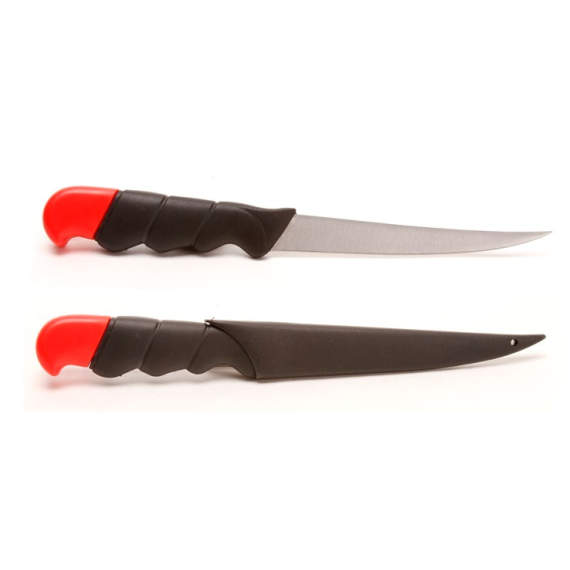
A fillet blade is a crucial tool for any type of fish lover, created particularly for the fragile job of eliminating fillets from the bone. Comprehending its anatomy can substantially improve a customer's filleting skills. The blade is usually long, thin, and adaptable, enabling accurate activities along the fish's spine and ribs - fish fillet knife. The sharp edge is critical for clean cuts that minimize waste and protect the top quality of the meat
The deal with, often ergonomically designed, supplies a safe and secure hold, which is fundamental for control throughout the filleting procedure. It may be made from various materials, consisting of timber or artificial composites, each offering various degrees of convenience and toughness. The boost, located between the blade and manage, includes stability and equilibrium. On the whole, the careful layout of a fillet blade, from the blade to the deal with, plays a critical duty in guaranteeing efficient and efficient fish preparation.
Selecting the Right Fillet Blade for Your Needs
Picking the suitable fillet blade can greatly impact the effectiveness and high quality of fish prep work. When picking a fillet blade, several factors ought to be considered, consisting of blade product, flexibility, and size. A blade typically ranges from 6 to 9 inches, permitting precision based upon the dimension of the fish being processed. Versatility is crucial; a much more flexible blade enables intricate cuts around bones and skin, while a stiffer blade provides far better control for larger fish.
The material of the blade additionally plays a significant duty. Stainless-steel is prominent for its rust resistance and simplicity of upkeep, while high-carbon steel supplies premium intensity yet calls for a lot more care to protect against corrosion. Handle convenience and hold are just as important, as a secure hold is crucial for safety and security and accuracy during filleting jobs. By taking these aspects into account, one can pick a fillet knife that satisfies their particular needs and enhances their fish prep work experience.
Vital Fish Filleting Methods
Understanding essential fish filleting methods is crucial for accomplishing accurate and clean cuts. Proper blade hold plays a considerable duty in control and safety throughout the filleting process. Furthermore, grasping the step-by-step procedure can enhance effectiveness and results, making sure a top quality fillet.
Appropriate Knife Hold
Understanding the appropriate knife grip is a basic skill in fish filleting that can considerably enhance accuracy and control. A company yet comfortable grip enables the customer to assist the blade efficiently along the fish's body. One of the most efficient hold includes holding the take care of with the leading hand while squeezing the blade's spine with the thumb and forefinger for added security. This technique supplies improved control throughout elaborate cuts. The non-dominant hand must be used to protect the fish, guaranteeing it stays consistent throughout the procedure. Correct grasp not just improves precision yet likewise decreases the threat of mishaps. By concentrating on these crucial elements, filleting comes to be an extra delightful and reliable job, bring about far better outcomes.
Filleting Refine Steps
With a correct blade grasp developed, the next step in the fish filleting process involves a series of specific methods that assure reliable and clean cuts. First, the fish should be positioned on a secure reducing board, belly side up. The fillet knife is after that inserted behind the gills, lowering toward the backbone. A smooth, sweeping motion along the spinal column separates the flesh from the bone. Cautious attention is paid to the chest, guaranteeing all flesh is gotten rid of. As soon as one side is full, the fish is flipped to duplicate the process beyond. Any remaining bones or skin are trimmed away, producing clean and stunning fillets prepared for cooking.
Preparing Your Work Area for Filleting
Preparing a workspace for fish filleting is necessary for efficiency and safety. An arranged location, geared up with crucial tools, ensures a smooth procedure while reducing the threat of mishaps. Applying proper precaution is crucial to shield both the individual and the workspace during this culinary job.
Tidy and Organized Location
A organized and clean work space is vital for effective fish filleting. It decreases interruptions and allows for a smooth and efficient process. Before beginning, the area needs to be free from any kind of unneeded products that can conflict with the task. A sterilized surface, ideally made of non-porous material, is perfect for simple cleansing and to stop cross-contamination. Having all needed devices within arm's reach, such as cutting boards and towels, can enhance productivity. In addition, arranging the work area with marked areas for devices and particles disposal assists maintain tidiness and order. This preparation not only promotes a much safer atmosphere however also improves emphasis, making it possible for filleting methods to be executed better and with greater accuracy.
Vital Devices List
An effective fish filleting procedure depends greatly on having the right tools at hand. Vital items include a premium fillet knife, which assures accuracy and convenience when cutting through fish flesh. A sturdy cutting board is crucial for offering a stable surface and safeguarding counter tops. Additionally, a pair of fish pliers aids in eliminating bones efficiently. Having a sharpener close-by is vital to look at this website keep the blade's side during the process. A container for scraps keeps the office clean. Ultimately, a towel can assist in managing unsafe fish and cleaning surface areas. By gathering these tools, one sets the stage for a effective and satisfying filleting experience, advertising both effectiveness and performance.
Appropriate Precaution
Tips for Preserving Your Fillet Knife
Appropriate upkeep of a fillet knife is vital for guaranteeing ideal performance and longevity. Normal cleaning after each usage is essential; a basic wash with cozy, soapy water adhered to by extensive drying out stops corrosion and deterioration. It is suggested to stay clear of soaking the knife or positioning it in a dishwasher, as these techniques can harm the blade and deal with.
Sharpening the blade occasionally is likewise substantial. Honing or making use of a whetstone pole can help keep a sharp edge, which is essential for accuracy filleting. Additionally, storing the blade correctly protects its blade; a blade sheath or magnetic strip is liked over a cabinet where it might experience various other utensils.
Finally, examining the blade regularly for indicators of wear or damage guarantees that it remains safe and efficient. By adhering to these maintenance tips, users can lengthen the life of their fillet knife and enhance their general fish filleting experience.
Common Blunders to Avoid When Filleting Fish
Filleting fish can be a fulfilling experience, yet typical blunders can result in lost meat and irritation. One regular mistake is using a boring blade, which can make accurate cuts hard and result in tearing the flesh. Furthermore, numerous novice anglers disregard to appropriately scale the fish, making it testing to achieve tidy fillets. An additional blunder is not following the natural contours of the fish; reducing versus the grain can lead to uneven pieces and lost meat. Stopping working to get rid of all bones can also diminish the last dish, as diners may come across unpleasant surprises. Ultimately, rushing with the process can bring about negligent cuts and safety hazards. By being mindful of these common challenges, people can boost their filleting method and ensure an extra rewarding and effective experience when preparing fish.
Enhancing Your Fish Recipes With Flavorful Marinades and Seasonings

Seasonings play a necessary role. A sprinkle of sea salt and newly split pepper can highlight the integral flavors of the fish, while seasonings such as paprika or cumin can include heat and intricacy. Furthermore, including components like ginger or chili can introduce an amazing kick.
Trying out different combinations permits cooks to discover one-of-a-kind tastes that enhance various fish kinds. Ultimately, the appropriate sauce or flavoring transforms a simple fish meal right into a culinary delight, making it memorable for those that indulge.
Often Asked Inquiries
How Do I Develop My Fillet Knife in the house?
To develop a fillet knife at home, one can make use of a whetstone or sharpening rod (fish fillet knife). Keeping a regular angle while developing assurances a reliable edge, while useful content regular refining keeps the blade in peak problem for filleting
Can I Make Use Of a Fillet Knife for Various Other Types of Meat?
Yes, a fillet blade can be used for various other types of meat, although its design is enhanced for fish. Its flexibility and intensity might assist in specific cuts, yet details meat knives are typically more efficient.
What's the very best Way to Clean My Fillet Knife After Use?
To clean a fillet knife after use, one need to rinse it with warm water, use mild soap, delicately scrub the blade with a soft sponge, and thoroughly dry it to stop corrosion and maintain sharpness.
Just how Commonly Should I Change My Fillet Knife?
A fillet knife needs to be changed every one to two years, depending upon use and upkeep. Regular developing and appropriate care can prolong its life, but indications of wear show it's time for a replacement.
Are There Particular Brand Names of Fillet Knives Recommended for Beginners?
A number of brand names are suggested for beginners, including Victorinox, Rapala, and Dexter-Russell. These blades provide a good equilibrium of quality, cost, and ease of usage, making them suitable for those brand-new to fish filleting.
A fillet knife is an important tool for any type of fish fanatic, designed particularly for the fragile task of getting rid of fillets from the bone. Picking the ideal fillet blade can greatly influence the efficiency and high quality of fish prep work. Important products consist of a high-quality fillet knife, which assures precision and simplicity when reducing with fish flesh. Correctly securing the fish with a towel or a specialized fish holder can offer extra control. Yes, a fillet blade can be used for various other kinds of meat, although its style is enhanced for fish.
Comments on “Exploring the Features of the best fillet knife for saltwater fish for Daily Use”